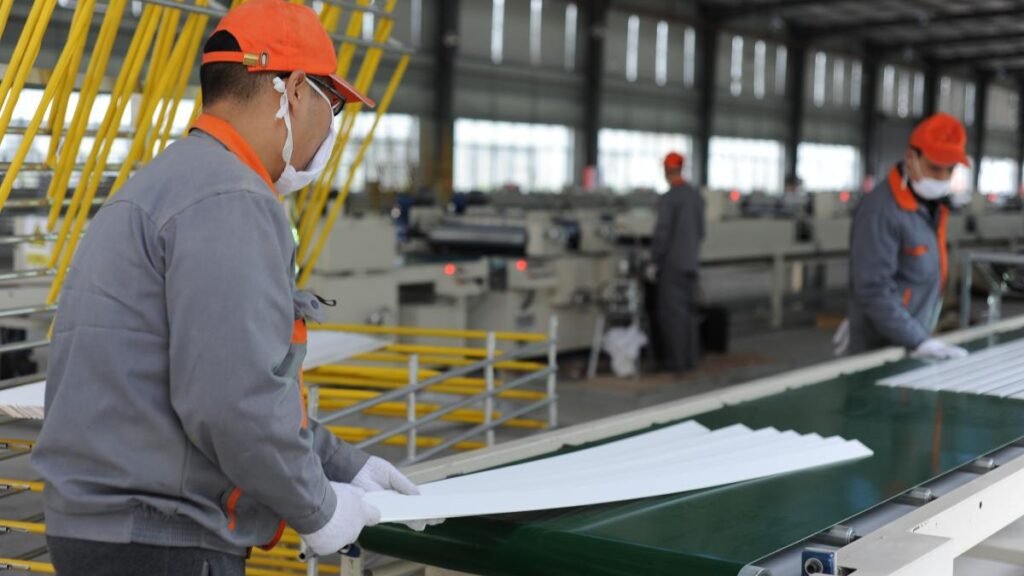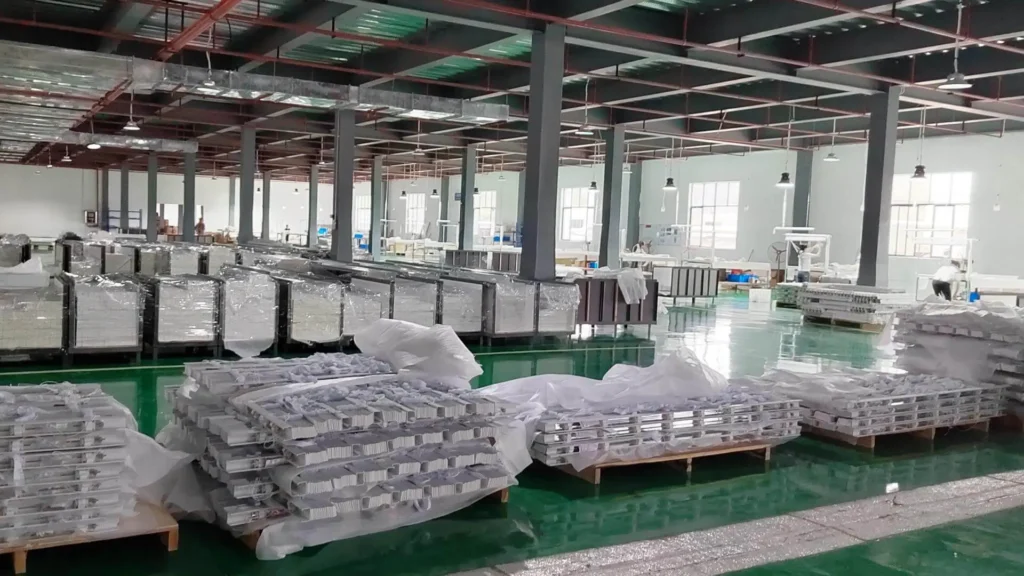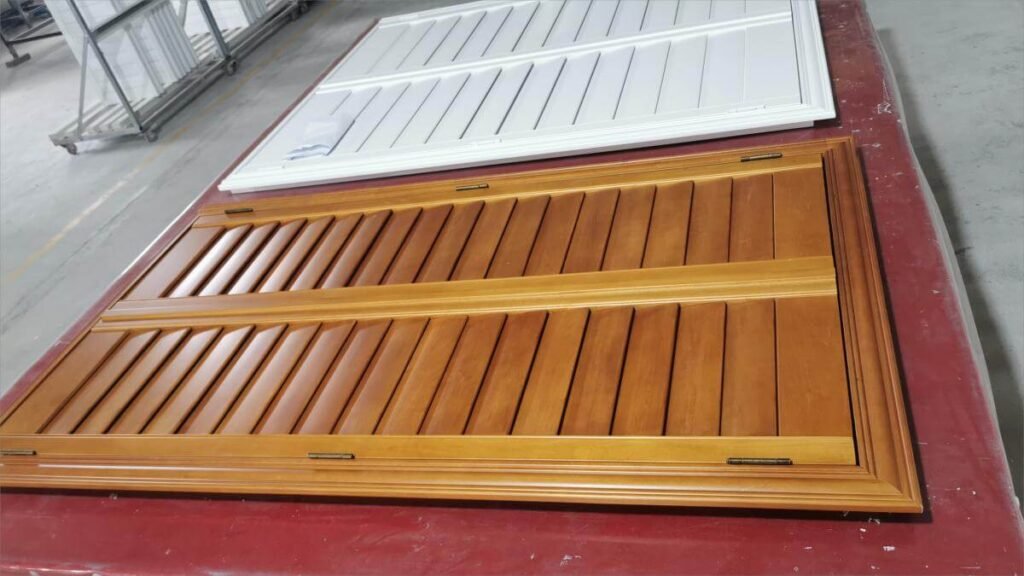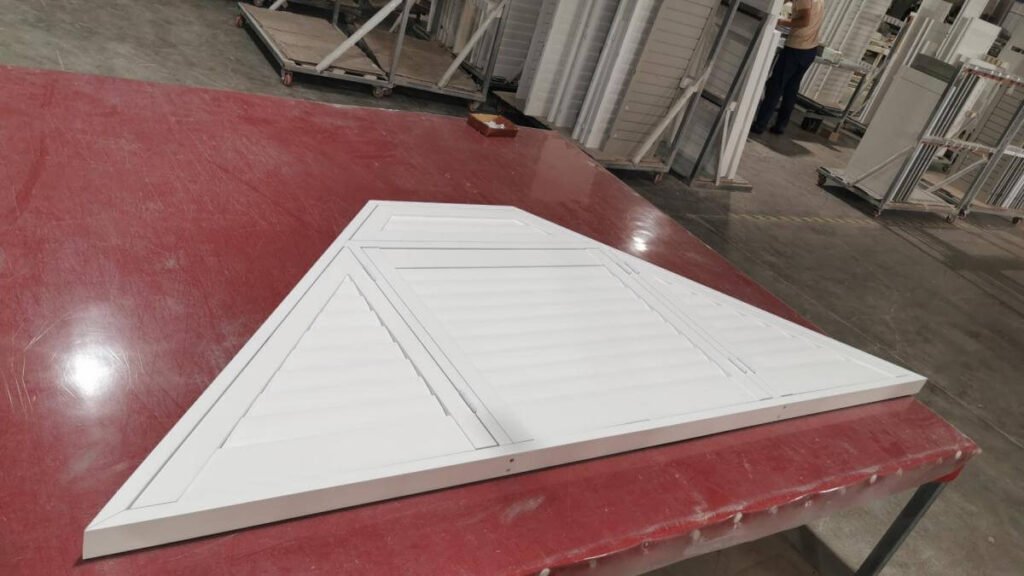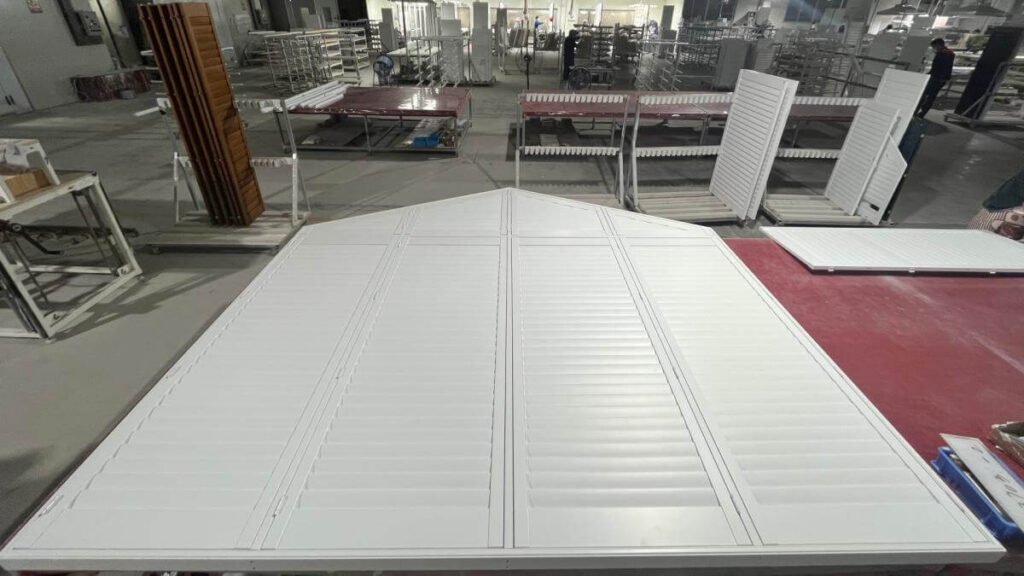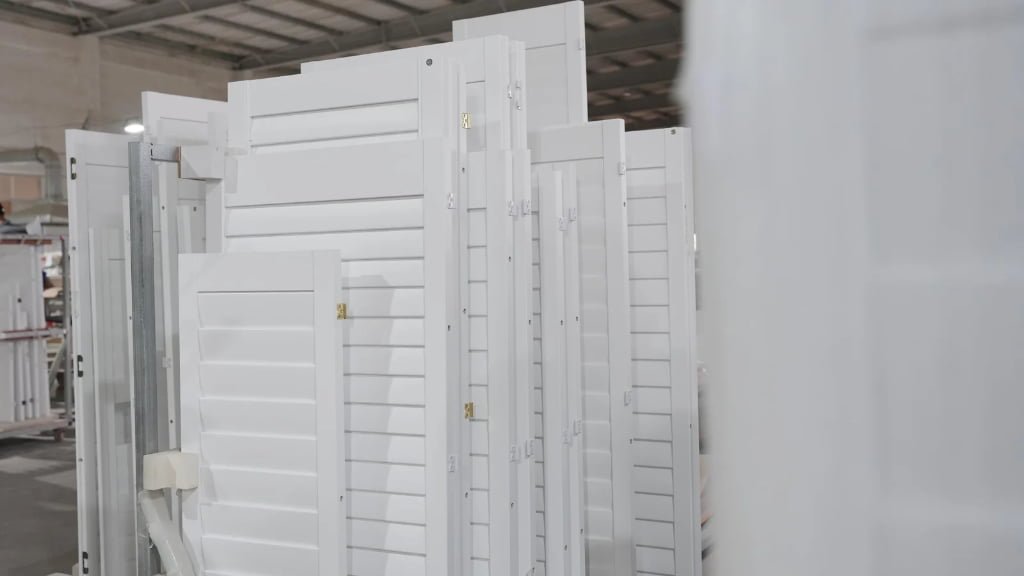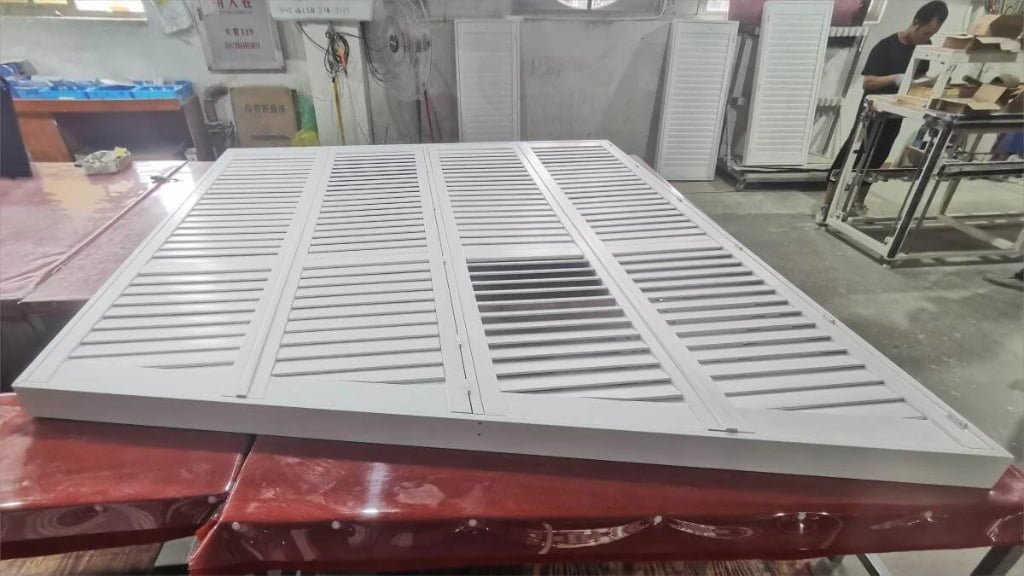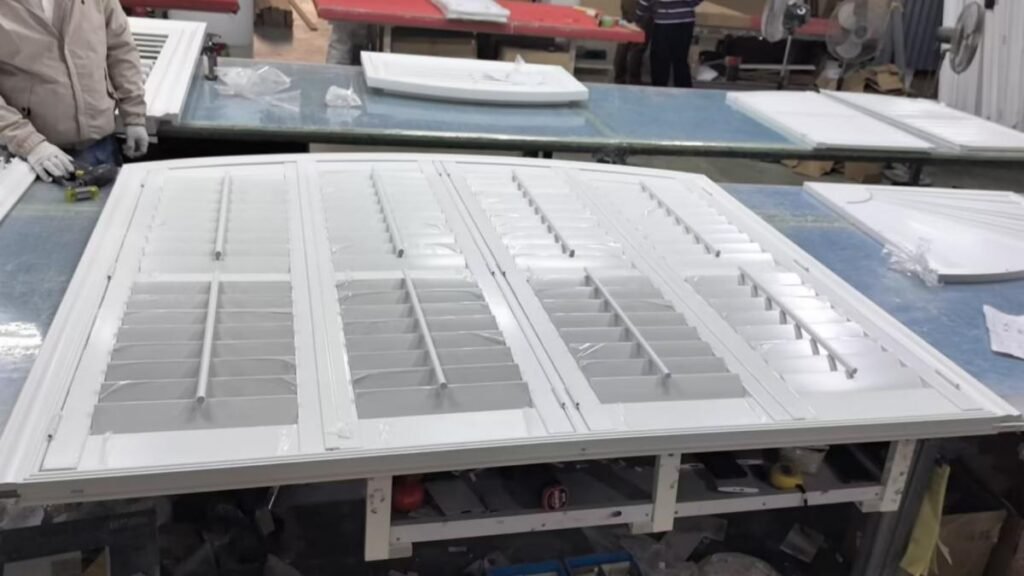
Most wholesalers walk a factory floor looking at the right things: annual output, CNC equipment, finished samples from the display shelves. Those checks matter. But the question that actually determines whether a supplier relationship holds together over three, five, or ten years rarely makes it onto an audit checklist — and it only surfaces the […]
Bright Shutters is a China-based plantation shutters manufacturer supplying Australian and New Zealand wholesalers, distributors, brands and project buyers with wood, PVC and aluminium plantation shutters, built on a fully self-owned production system rather than a trading or assembly model. For wholesalers evaluating a new supply partner, the two questions that matter most are usually […]
Bright Shutters runs its production out of a 58,883㎡ self-owned facility in Shenzhen, with 400+ staff, 12 dedicated product lines, and more than 11 million units shipped since 2010. Numbers like that are easy to put on a website. What they don't tell you is whether a supplier will still be a good partner three […]
Most quality problems in plantation shutters don't show up at the factory. They show up 12 to 18 months after installation — a PVC louvre that starts yellowing, a lock-fit that develops a light gap down the middle, an aluminium shutter that won't hold its tilt position anymore. By the time the complaint reaches the […]
Searching for "plantation shutters manufacturers wholesale" usually means one of two things: you're a distributor trying to add or switch suppliers, or you're an importer trying to work out which factory claims hold up once a container actually lands. Either way, the real question isn't "who makes plantation shutters" — sourcing platforms can answer that […]
China produces roughly 70% of the world's window coverings by volume, according to industry research compiled by Zhongyan Puhua (中研普华). That scale is real — but production volume alone tells a buyer almost nothing about whether a specific factory will deliver consistent quality, on time, container after container. For wholesale buyers researching "plantation shutter manufacturers," […]
For most wholesale buyers, "shutters from China" isn't really a search about whether Chinese factories can make plantation shutters — it's a search about whether a specific factory's quality holds up after a 4–6 week sea voyage, a humid Australian summer, and three years of daily use. The manufacturing capability has never really been the […]
When ANZ wholesale buyers source plantation shutters from China, the decision that most determines long-term supply reliability is not price — it is which manufacturing variables to audit before placing a first container order. A plantation shutter factory in China may quote identically on paper but diverge significantly in the six production-level practices that predict […]
ANZ wholesale buyers sourcing plantation shutters from China tend to ask the same questions — some at the beginning of a supplier relationship, others after their first container arrives, and a few only after something has gone wrong. We have answered all fifteen of them here, drawn from the questions our ANZ wholesale accounts consistently […]
For ANZ wholesale buyers sourcing plantation shutters from China, the supply chain does not end when the factory confirms production completion. The 18–26 days between factory loading and port arrival in Sydney, Melbourne, or Auckland contain a distinct set of risks that require their own management attention. This article covers everything ANZ buyers need to […]
The gap between what a Chinese shutter manufacturer presents and what they actually produce is real — and it is most visible to buyers who have not built a verification process into their sourcing workflow. This guide provides a practical framework for verifying a Chinese shutter manufacturer's capabilities, documentation, and quality systems before committing to […]
The question ANZ shutter distributors ask most often when evaluating their supply chain is some version of: "Is it actually cheaper to source from China once I factor everything in?" It is a legitimate question, and the honest answer is: usually yes — but the cost gap is smaller than the ex-works price difference suggests, […]