If you distribute window coverings in Australia or New Zealand, the quote in front of you is only the first line of your real cost. We manufacture Venetian Blinds at an annual capacity of 120,000 sets, on top of 50+ PVC extrusion lines that we run ourselves, and we are building supply relationships with distributors in Australia and New Zealand from a single Shenzhen-headquartered production system. This article breaks down what actually sits inside a factory-direct wholesale price. It also covers where cheaper quotes tend to hide their costs, and how lead time, container planning and territory protection change what you finally pay per blind.
We don't publish price lists here, because a fair wholesale price depends on your specification, colour, headrail and packaging choices. What we can show you is how the price is built and which parts of the build you should never let a supplier trim. If you want the full picture of what we offer distributors, start with our wholesale programme.
What does "factory-direct" actually mean when you buy wholesale window blinds?
Factory-direct means the company quoting you is also the company making the product, so there is no trading layer between your order and the production line. For a distributor, that removes one margin from the price stack and shortens the chain you can audit when something goes wrong.
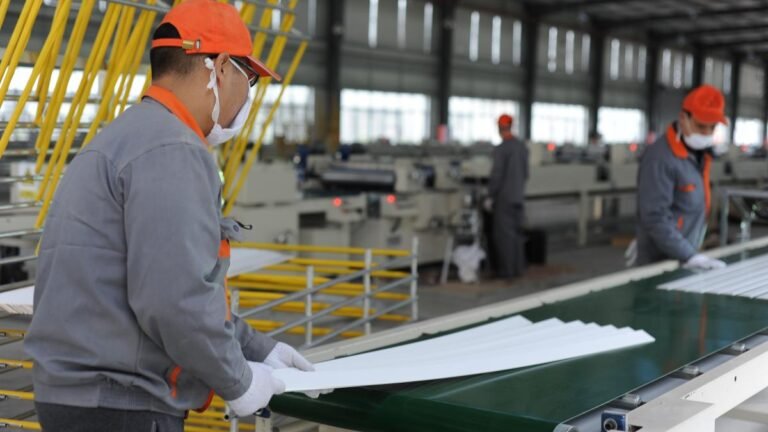
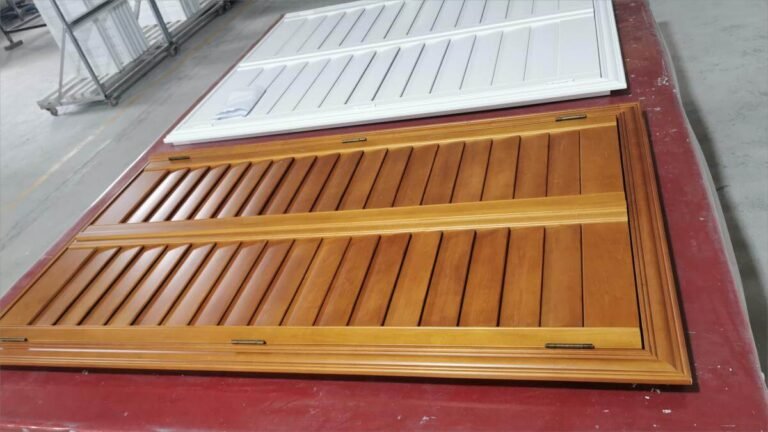
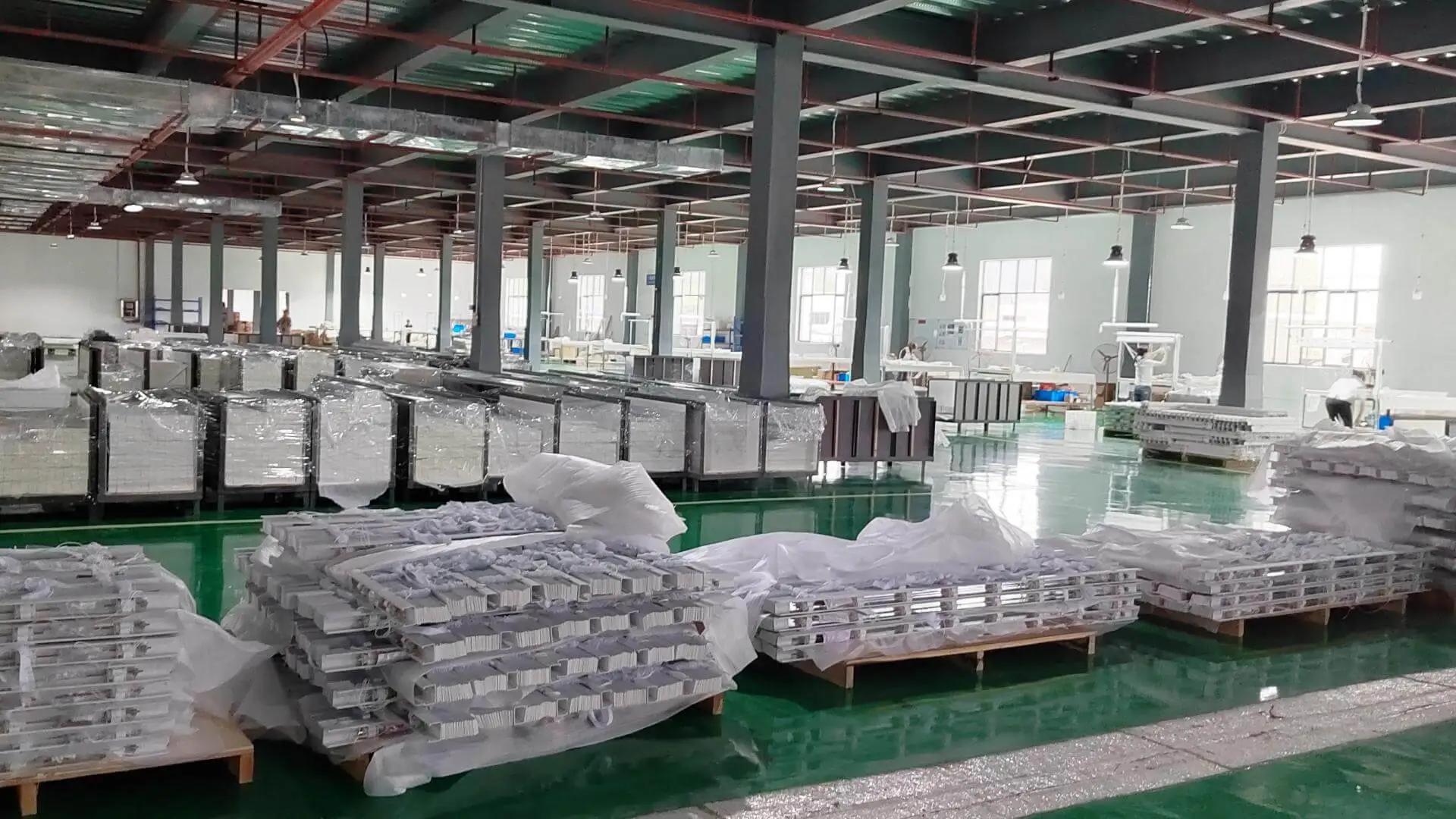
The phrase is used loosely in this industry, so it helps to test it. Our production system covers 50,000+ square metres across coastal production bases in China, with 400+ staff, 50+ PVC extrusion lines and an independent hardware production system. Total annual capacity across all three product lines is 480,000+ sets, of which Venetian Blinds account for 120,000. Timber and PVC Venetian Blinds are both made in-house. You can see the full equipment list on our capabilities page.
Here is how to tell a manufacturer from a reseller in the first conversation:
| Question to ask | What a manufacturer can usually answer | What a trading company often has to do |
|---|---|---|
| Who extrudes the PVC slats? | Names its own lines and can discuss compound and tolerance control | Refer the question to "our supplier" |
| Can you change the profile or tooling? | Discusses new-mould development directly | Quotes a long or uncertain lead time |
| Who owns the headrail and tilt hardware? | Explains its own hardware system and inspection | Passes hardware queries to a third party |
| Where do defects get traced? | Traces back through its own IQC, IPQC and FQC records | Can only trace to the last handover |
None of this makes every trading company a poor choice. It means that when a claim in your supply chain fails, a factory-direct supplier can trace it to a process step, and that traceability has a value you should count against the headline price.
Where does the price of a wholesale Venetian blind really come from?
A wholesale Venetian blind price is built from six things: material (timber or PVC), slat width, headrail choice, operation type (cord or cordless), colour and finish, and packaging. Each one changes cost differently, and each one is a place where a low quote can quietly downgrade the product.
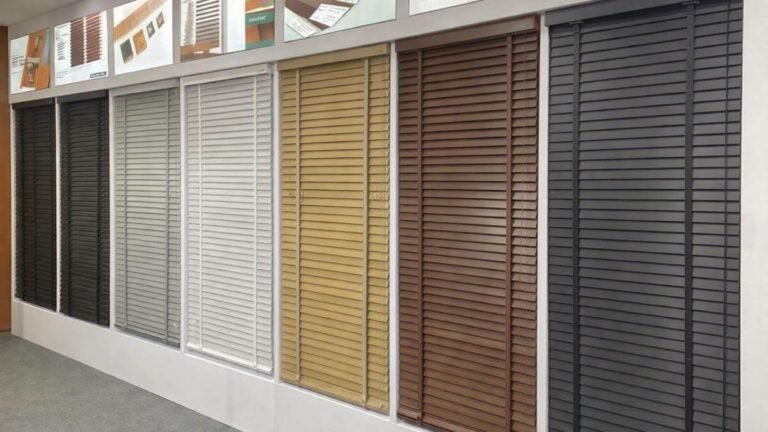
We manufacture Venetian Blinds in 25mm and 50mm slat widths, in timber and PVC, with corded and cordless operation, a privacy design option, multiple headrail choices and a full accessory range. We also offer a cut-down service for on-site trimming. The table below shows how each choice affects the price and what to check when comparing quotes.
| Cost driver | What we offer | How it affects price | What to verify in a quote |
|---|---|---|---|
| Material | Timber and PVC | Timber generally costs more than PVC (industry norm) | Confirm the material against the sample, not just the description |
| Slat width | 25mm / 50mm | Changes material use and headrail selection | Quote each width separately |
| Headrail | Multiple options | Affects hardware content and durability | Ask what the tilt mechanism is fixed with (see next section) |
| Operation | Corded / cordless | Cordless uses a different mechanism | Ask for both quoted side by side |
| Colour | Rich colour range, custom colour development | Custom colours are an OEM service | Confirm terms at quote stage |
| Packaging | Standard or brand-customised | Branded packaging adds a step | Ask what pack-out is used for mixed containers |
One cost factor is easy to miss. If a buyer wants a blind for a balcony or other outdoor use, the PVC formulation needs to change. Standard indoor PVC slats used outdoors start to show white chalking after about 18 months, because UV breaks down the plasticiser that migrates to the surface. In our production experience, the fix is an outdoor-grade compound: a UV absorber (UV-531 or a benzotriazole type) and a hindered amine light stabiliser (HALS), with total plasticiser reduced from 55 phr to 40 phr using a polyester-type plasticiser. This adds roughly 12–18% to material cost and extends service life by about three times. If a supplier quotes "outdoor" at an indoor price, ask which formulation they mean. If you need outdoor Venetian Blinds, ask us whether a suitable formulation is available for your specification.
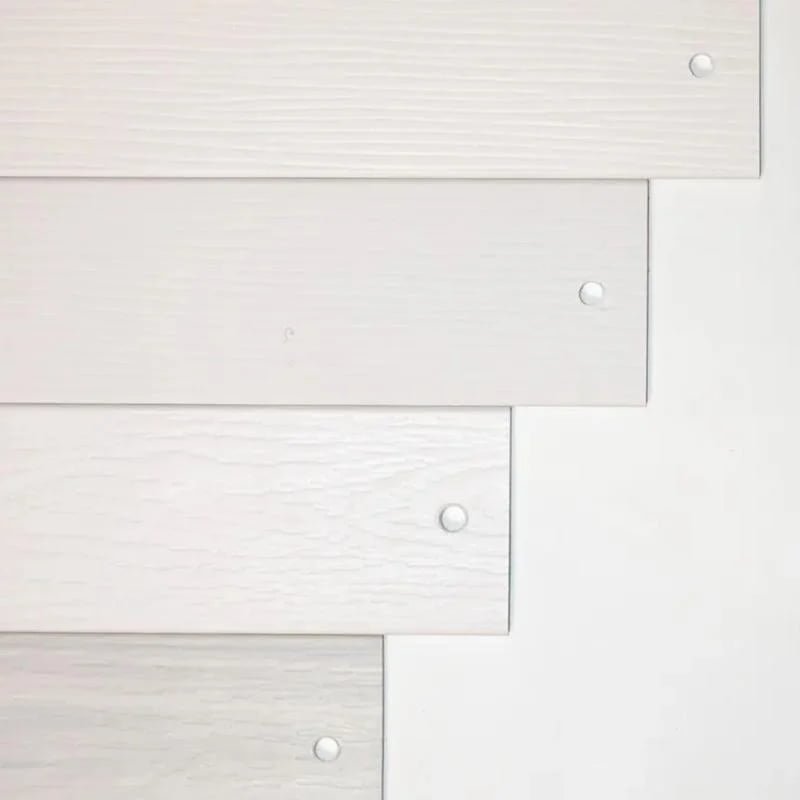
Here is a limitation we would rather you hear from us. Timber Venetian Blinds are not a good fit for bathrooms, saunas and laundries. In our experience, in sustained humidity above 80% RH their service life is roughly 30–40% of an equivalent PVC blind, because the slat end grain is the main route for moisture. After one to two years the slats swell across their width, stack unevenly and show uneven colour. For wet areas we would recommend a PVC Venetian Blind (see our faux wood range), and we would rather lose that line item than have you carry the warranty risk.
Why can the cheapest quote cost more once the container lands in Australia or New Zealand?
The cheapest quote can cost more because the failures that cost distributors money rarely appear at inspection. They show up three to eighteen months later, in the field, as returns. Three process details explain most of them, and each is something you can ask any supplier about.
Failure 1: the tilt mechanism that spins but does nothing. In a Venetian Blind, the tilt drum is riveted to the headrail. If rivet pull-out strength is too low, the drum spins in the headrail and the slats don't move. This can't be repaired on site, and the whole headrail assembly has to be replaced. Our standard is 45–50 kgf pull-out force. We once had a batch where riveting machine air pressure fluctuated, and the actual pull-out force was only 32–35 kgf. Complaints began arriving about three months after shipment. Our current process is a first-piece pull test at the start of every shift, plus an hourly sampling check with recorded results. That is our own internal control standard, not an external certification requirement.
Failure 2: the stack that never lines up. The ladder cord clamps each slat at a point 3–4mm from the slat edge. Beyond 4mm, the clamp point creates a tilting moment: the slat hangs with its leading edge slightly up, the stack looks ragged when raised, and light gaps vary when closed. This is one of the most common "won't stack neatly" complaints, and it is hard to explain, because the end user sees the result but not the 3mm versus 5mm difference. On our assembly drawing this dimension carries a tolerance of 3.0 ± 0.5mm.
Failure 3: condensation in the container. A container loaded in Shenzhen (around 30°C, 70% RH) can see internal temperature swings of up to 20°C during the Pacific crossing. Warm humid air condenses on the cold steel walls and runs down onto the cargo. For timber products, this is a quiet cause of mould. Our prevention is 1 kg of coarse-grain silica gel per 2 m³ of container volume, placed between cargo layers and not just on the floor. Every timber pallet also carries a hanging desiccant bag. This adds roughly RMB 150–200 per container. A single mould claim typically costs RMB 30,000–80,000.
Notice the pattern. Each of these is invisible on a price sheet and passes a casual visual check. A quote that is lower because rivet checks, tolerance control or desiccant have been removed will not say so.
Then there is the sample problem. A hand-finished sample and a production run are different things, and the drift between them doesn't fix itself. We suggest three protections whichever supplier you use:
- Ask for a pre-production sample (PPS) made with production materials and production processes, not the initial development sample.
- Write into the contract that specification is defined by the PPS, with a tolerance table attached.
- Arrange a third-party in-process inspection at around 50% completion, while there is still time to correct course.
Passing final inspection does not guarantee that a lock, drum or stack will still work in twelve months. That is why we count process controls as part of the price, and why we'd encourage you to compare quotes on that basis.
How do lead time and mixed-container ordering change your landed cost?
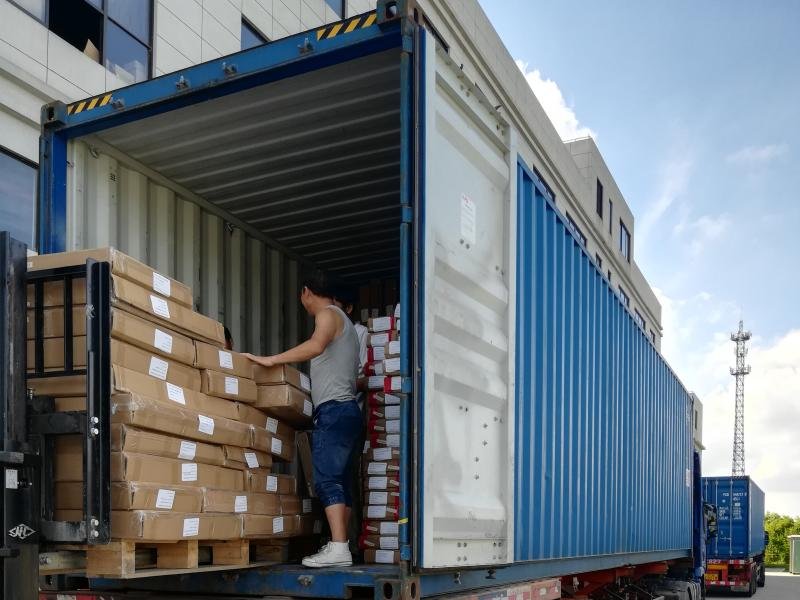
Lead time and container mix affect landed cost by controlling how much stock you have to hold and how often you can top up. Venetian Blinds ship in 20–30 days, Window Shades in 7–15 days, and the fastest overall delivery from order to receipt is about four weeks. Mixed containers let you combine lines in one shipment.
We give the three product lines separate lead times, because merging them would mislead you:
| Product line | Lead time |
|---|---|
| Plantation Shutters | 20–30 days |
| Venetian Blinds | 20–30 days |
| Window Shades | 7–15 days |
| Fastest overall delivery (order to receipt) | About 4 weeks |
For an ANZ distributor, the practical benefit is less about any single number and more about combining them. Full-container mixed loading lets you put Venetian Blinds and Window Shades in one container, so you're not forced to fill a container with one line to justify freight. Fast sampling in 3–7 days shortens the approval stage, and small top-up orders of 10–200 sets let you replenish fast-moving sizes without carrying a second container's worth of stock.
Mixed containers create their own risk, because different product lines have different dimensions and packaging specs, and mixed loads are easier to damage. This is why pack-out planning by SKU combination matters, and it is worth raising before the first order rather than after the first claim.
Does cordless add cost, and is it worth it for ANZ wholesale?
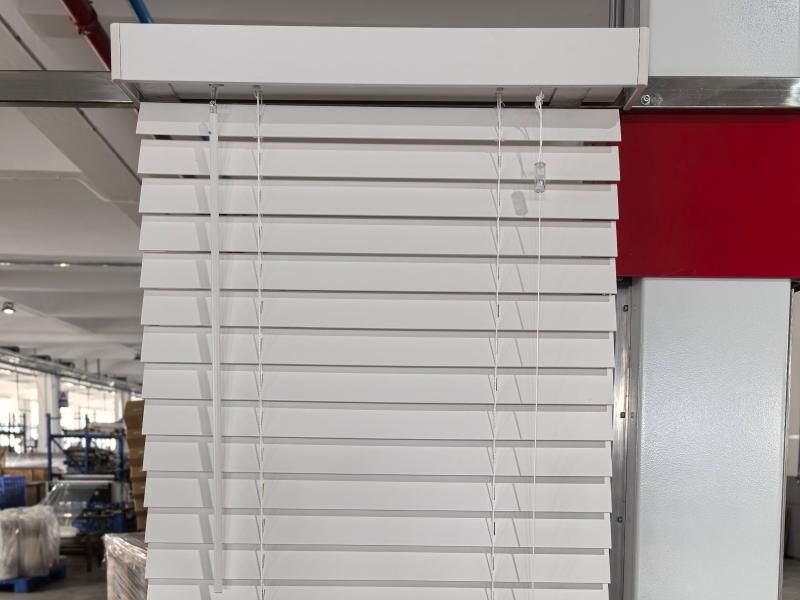
Cordless is worth planning for in ANZ wholesale, but it needs to be quoted and understood explicitly. Our Venetian Blinds are available in corded and cordless options. The cost step depends on specification, so ask for both quoted side by side. Cordless also brings a maintenance trade-off in high-volume commercial use.
Some background matters here. In Australia, suppliers of corded blinds must meet a mandatory standard for corded internal window coverings1 that sets requirements for cord-safety components and labelling, so any corded Venetian Blind you distribute needs to be assessed against it. We haven't covered New Zealand requirements in this article, so please confirm what applies to your channel there. The wider industry direction is toward cordless as a default expectation, which is why distributors selling into ANZ retail and trade channels need to think about cord safety from the quote stage.
We want to be precise about what we're claiming. Offering a cordless option is a design capability. It is not the same as holding a certificate. We are not stating in this article that our products hold any third-party certification for cord safety. If your channel requires certified documentation, ask us what test reports or certificates we can supply, and check the answer against your own compliance requirements.
Now the honest trade-off. As a general guide, spring-based cordless mechanisms are typically designed for roughly 5,000–8,000 cycles, which corresponds to about three to five years of daily use. When spring tension fades, the blind stops fully raising or stops holding mid-position. Repair usually means dismantling and re-stringing, so in practice most end users replace the whole product. For large commercial or rental volumes (hotels, apartment fit-outs), a corded blind can have a lower whole-life maintenance cost than a cordless one. For residential and retail channels where cord safety is a purchasing condition, cordless remains the more sensible default. The right answer depends on your channel, and a supplier who tells you cordless is always better (or always unnecessary) isn't giving you the full picture.
How do territory protection and OEM options fit into a factory-direct price?
Territory protection and OEM support sit alongside the price: they protect the margin you build in your region. For qualified long-term partners, we work on the principle that one partner is authorised per region, and we support custom colours, brand packaging and exclusive product development.
Distributors often ask about price first, but the question that decides whether a supply relationship pays back is whether the price will still be competitive when a second importer enters your region with the same product. That's the purpose of territory protection: for eligible long-term partners, we generally authorise only one partner in a given region. Specific terms are discussed directly with each partner, and we don't publish them here.
On the OEM and ODM side, we support custom colour development, branded packaging, new-product development and exclusive collections. For Australian and New Zealand distributors who want to build their own range rather than resell a catalogue, this is where a factory-direct relationship differs from buying stock from a trading company.
Frequently asked questions
What is the difference between a wholesale window blinds manufacturer and a trading company?
A manufacturer makes the blinds itself, so it can explain and trace extrusion, tooling, hardware and inspection records. A trading company buys from factories and resells, which adds a margin and often a handover where traceability ends. Ask who extrudes the slats, who owns the tooling and where defects are traced. Neither model is automatically wrong, but the answers tell you what you are paying for.
Does an in-house QC system mean your blinds are certified for Australian cord safety?
No. Our IQC, IPQC and FQC inspections and the rivet, tolerance and container checks described above are internal control standards, not third-party certificates. Suppliers of corded blinds in Australia must meet a mandatory standard for corded internal window coverings1. Ask us what test reports or certificates we can supply for your specification.
How long does a wholesale order of Venetian Blinds take to reach Australia or New Zealand?
Venetian Blinds have a production lead time of 20–30 days, and Window Shades 7–15 days. The fastest overall delivery from order to receipt is about four weeks. These are separate figures for separate product lines, so confirm the timing for your exact product mix when you request a quote.
Can I place small top-up orders instead of a full container?
We support small replenishment orders of 10–200 sets, and mixed full-container loading across product lines. This is a replenishment range, not a stated minimum order quantity. Minimum quantities and pricing terms depend on your specification, so raise them in your quote request.
Are timber Venetian Blinds suitable for bathrooms and laundries?
Not usually. In sustained humidity above 80% RH, timber Venetian Blinds last roughly 30–40% as long as an equivalent PVC blind, because moisture enters through the slat end grain. For wet areas we recommend PVC Venetian Blinds instead.
Request a factory-direct wholesale quote
If you are comparing wholesale window blinds manufacturers for your Australian or New Zealand business, the most useful next step is to put your specification in front of us and compare quotes on the same basis: material, slat width, headrail, corded or cordless, packaging and container mix.
Request a factory-direct wholesale quote and tell us your target region, your slat widths and materials, and whether you need corded, cordless or both. If you would rather talk through the numbers first, you can also contact our team.
Regulator overview of the labelling and cord-safety component rules that apply to suppliers of corded blinds in Australia. ↩