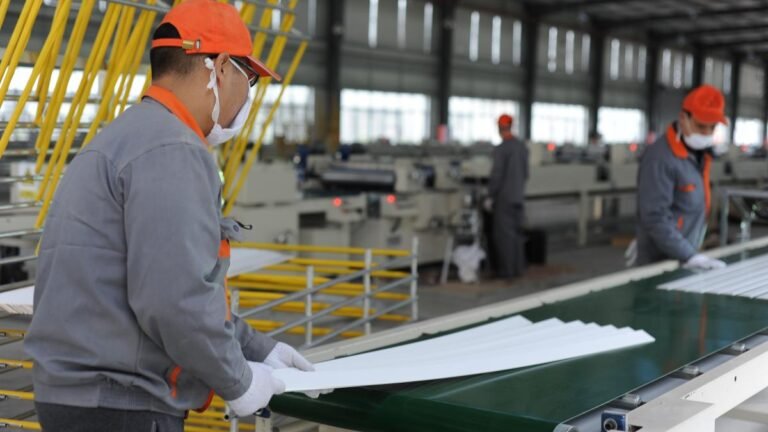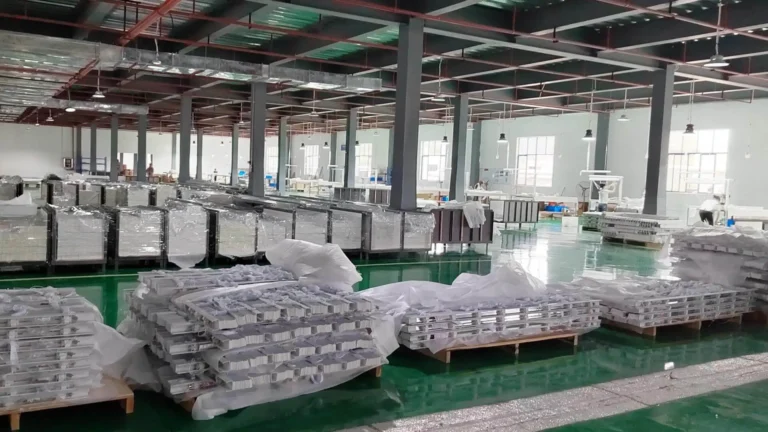
When an Australian or New Zealand distributor sends us a Venetian blinds enquiry, the cord question usually comes before the price question. That order makes sense. Our Venetian Blinds line has an annual capacity of 120,000 sets, within a combined output of 480,000+ sets across all product lines. We offer both corded and cordless operation, in 25mm and 50mm slat widths.
This article covers three things from the factory floor, in the order buyers usually need them:
- what safety logic sits behind a cordless blind
- what has to keep working for that logic to hold
- what ANZ buyers should confirm before a container order
The order matters. A design concept only protects anyone if the mechanism behind it keeps working after the blind leaves the factory, and that is where most of the real risk sits.
Why do Australian and New Zealand buyers ask about cordless Venetian blinds before they ask about price?
Cord safety is a market-entry question in Australia and New Zealand, not a feature preference. Australia already enforces mandatory rules for corded internal window coverings, and New Zealand has announced its own. A distributor who cannot answer the cord question early risks building a range that retailers and installers will challenge.
Here is the regulatory background, kept separate from our own facts. In Australia, two mandatory standards1 apply. Suppliers must meet the 2010 supply regulations2, which cover warning labels, safety components and instructions for corded products. Installers must follow the 2014 installation standard3, which requires that a loose cord cannot form a loop of 220 mm or longer less than 1,600 mm above the floor4.
New Zealand is moving in the same direction. In mid-2026 the government announced that new corded window coverings will have to meet one of four recognised international standards5, including the Australian one. Once the standard is formally made, businesses will have a one-year transition period before it takes effect, and it will apply only to newly supplied products rather than blinds already installed. The detail and exact timing were still being finalised when we wrote this, so check the current position before you lock in a range. Product Safety New Zealand's own advice to suppliers is that the safest coverings have no exposed pull cords or inner cords6.
Across the industry, cordless has moved from a premium option to a baseline expectation over roughly the past decade. Local trade documents also tend to say "Window Furnishings" rather than "window coverings", so paperwork written for ANZ readers will feel more familiar with that wording.
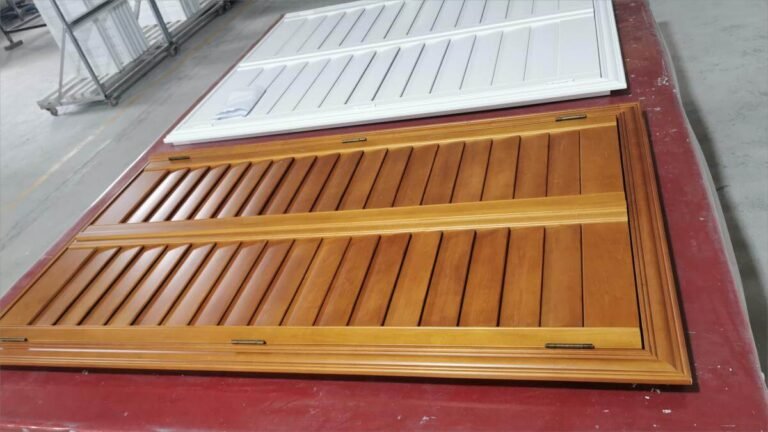
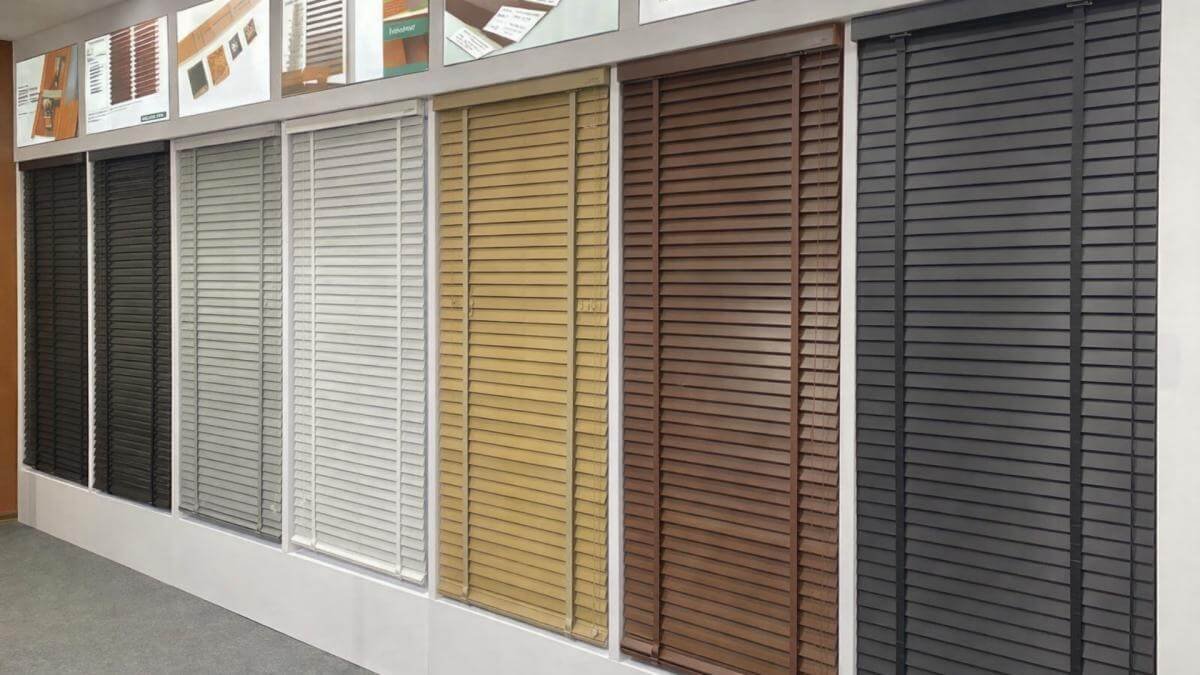
Our own facts are narrower. Our Venetian Blinds come in wood and PVC, with corded and cordless operation, privacy designs, several headrail options and a Cut-Down service for made-to-measure sizing. That tells you what we can build. It does not tell you what paperwork sits behind a given model, and buyers should keep those two questions separate.
What does a cord-safety rule actually ask a blind's design to do?
Australian supply rules ask for warning labels, safety components and installation instructions on corded products, and installation rules limit loop size and height. A cordless blind removes the exposed operating cord altogether. The design decision is made at headrail and mechanism level, before any label is printed.
The table below compares the design logic of the two approaches. It is a general comparison, not a statement about any certificate.
| Design approach | How the cord hazard is handled | What to ask your supplier |
|---|---|---|
| Corded | Cord remains; labels, safety components and instructions are required, and installers must keep loops out of reach | Which safety device ships with the blind, and what installation instructions come with it? |
| Cordless | No exposed operating cord; a spring or gear mechanism does the work | How is the mechanism tested for durability, and what is its expected service life? |
| Either, with internal cords | Cords inside the product can still be reachable | Are any internal cords accessible, for example behind the slats or fabric? |
Design intent and documentation are different things. Saying a blind is designed around the cordless safety principle is not the same as holding a test report or compliance document for a given model. Ask every supplier, us included, which documents exist for the exact model you plan to buy. Those documents should be on the table before the first container is booked.
Why does mechanism quality matter more than the "cordless" label?
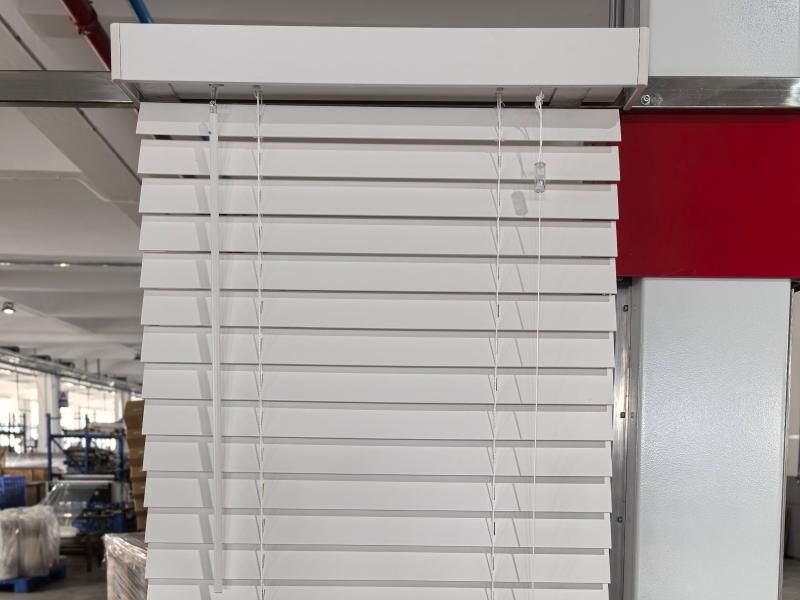
A cordless blind is only as safe as its mechanism is reliable. If the internal parts drift out of specification, the blind fails in use, however good the safety concept was. Our production team learned this on a tilt mechanism, and the lesson applies to any headrail assembly.
The case involved the rivets that fix the tilt drum inside the headrail. When rivet pull-out strength drops below our internal standard, the failure looks like this:
- The customer pulls the tilt cord, and the drum spins freely inside the headrail while the slats stay still.
- There is no field repair. The whole headrail assembly has to be replaced.
One batch was riveted while the machine's air pressure was fluctuating, and the actual pull-out strength came in well below our internal standard. The blinds passed shipping checks. Complaints started arriving not long after the batch reached customers.
The fix was a process change, and it is now standard practice on our line:
- A first-piece pull test at the start of every shift.
- Hourly sampling checks.
- Process-control records for both.
To be clear about scope, our pull-out figures here are an internal control standard, not an official certification requirement. It also concerned the tilt mechanism, not a cordless spring. I include it because it shows the principle. Safety features live inside small parts, and small parts drift when process controls are loose. When you audit a supplier, ask what they measure on the line and how often, not only what the finished product is called. Our production director has spent decades in window covering manufacturing, well before Bright Shutters was founded in 2010, and buyers who have been through this before always ask about process records, not brochures.
What does cordless cost over the life of the blind, and what should you confirm before ordering?
A cordless mechanism has a finite service life, and you should price that in. In our experience, the spring inside a cordless Venetian blind is designed to handle a defined number of open-close cycles, matched to several years of everyday use rather than being permanent. Once that cycle life is used up, spring tension fades and the blind may no longer stack fully or hold its position mid-window.
This is a limitation, and it is worth saying plainly. Replacing a fatigued spring usually means taking the blind apart and re-stringing it. In practice most end users replace the whole blind. For large commercial or rental volumes, a corded blind can have a noticeably lower maintenance cost over its lifetime.
The right choice also depends on how the building is used, not just who lives in it. A single residential installation gets opened and closed a modest number of times a year, so the spring's working life comfortably outlasts most other parts of the window furnishing. A hotel room or a share-house rental gets opened and closed far more often, by more people, with less care for how gently the cord or spring is handled. On volume projects like these, it is worth asking your supplier how the mechanism's expected working life compares with a typical replacement or refurbishment cycle for the property, rather than assuming residential-grade expectations will hold.
That does not make the cheaper-to-maintain option the right one for ANZ. Corded blinds sold into Australia must still meet the mandatory supply and installation requirements, and New Zealand is heading the same way. So treat the choice as a specification decision with your compliance requirements in view, not as a cost decision alone. For a residential range, cordless is the natural default. For a rental or hospitality project, the lifecycle trade-off deserves a proper conversation at quote stage.
Before you confirm an order, we suggest going through this list:
| Item to confirm | Why it matters |
|---|---|
| Operation type (cordless or corded) and, for corded, the safety device used | Determines how the cord hazard is controlled |
| Documents available for the exact model | Test reports or compliance documents are separate from design intent |
| Slat width (25mm or 50mm) and material (wood or PVC) | Affects weight, headrail choice and mechanism load |
| Headrail option | Different headrails suit different sizes and uses |
| Whether Cut-Down sizing can be combined with your chosen operation type | Confirm before ordering, not after |
| Expected lead time: 20–30 days for Venetian Blinds | Set your stock plan and project schedule around it |
The last row is Venetian Blinds only. Our other product lines have their own lead times, and we quote them separately.
"Cordless" is where the safety conversation starts for ANZ buyers, not where it ends. The mechanism has to be built to tolerance, checked on the line and honestly described with its service life. If a supplier can show you all three, you can plan a range around it with confidence.
Next step: Ask for cordless Venetian Blind specifications for your ANZ range. Tell us your target market, slat width and whether the project is retail, rental or hospitality. If lifecycle cost matters more than a cordless finish for your use case, we will say so. For volume terms, see our wholesale page. To explore the range first, start with Venetian Blinds or the PVC and faux wood options.
Frequently asked questions
Does a cordless design mean the blind is certified or compliant?
No. A cordless design describes how the blind is built, not what documents exist for it. Compliance documents and test reports are separate, model-specific items. Before ordering, ask your supplier, including us, which documents cover the exact model, and get them in writing.
Are corded Venetian blinds banned in Australia or New Zealand?
No. In Australia, corded blinds are allowed but must meet mandatory supply and installation rules1. New Zealand has announced mandatory standards for new corded products5, with timing still to be confirmed. Cordless blinds avoid the exposed operating cord.
Does "cordless" mean there are no cords at all in the blind?
Not always. New Zealand's product safety authority notes that inner cords can be as hazardous as exposed pull cords6. When you review a cordless model, ask whether any internal cords are reachable and how the design handles them.
How long does a cordless Venetian blind mechanism last?
In our experience the spring is designed for a set number of open-close cycles, matched to several years of typical use rather than being permanent. After that the blind may not stack fully or hold its position, and most users replace the whole unit. For heavy-use rental or commercial projects, discuss lifecycle expectations at quote stage.
A plain-English overview from Australia's product safety regulator of who must comply with the two cord-safety standards, and how. ↩
The full legal text of the supply regulations, for readers who want the exact labelling and component requirements. ↩
The full legal text of the installation standard that installers and builders are expected to follow. ↩
Practical installation guidance showing how cleats and cord guides keep loose cords out of a child's reach. ↩
The New Zealand Government's announcement on mandatory safety standards for new corded window coverings. ↩
Product Safety New Zealand's advice to manufacturers and suppliers on cords, inner cords and safer product design. ↩