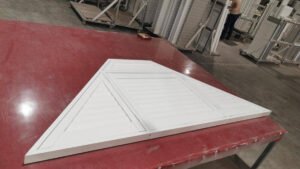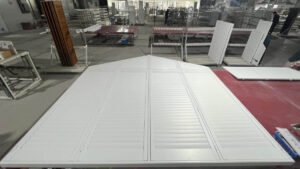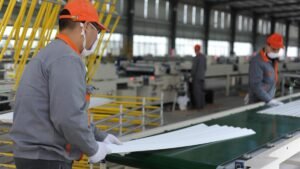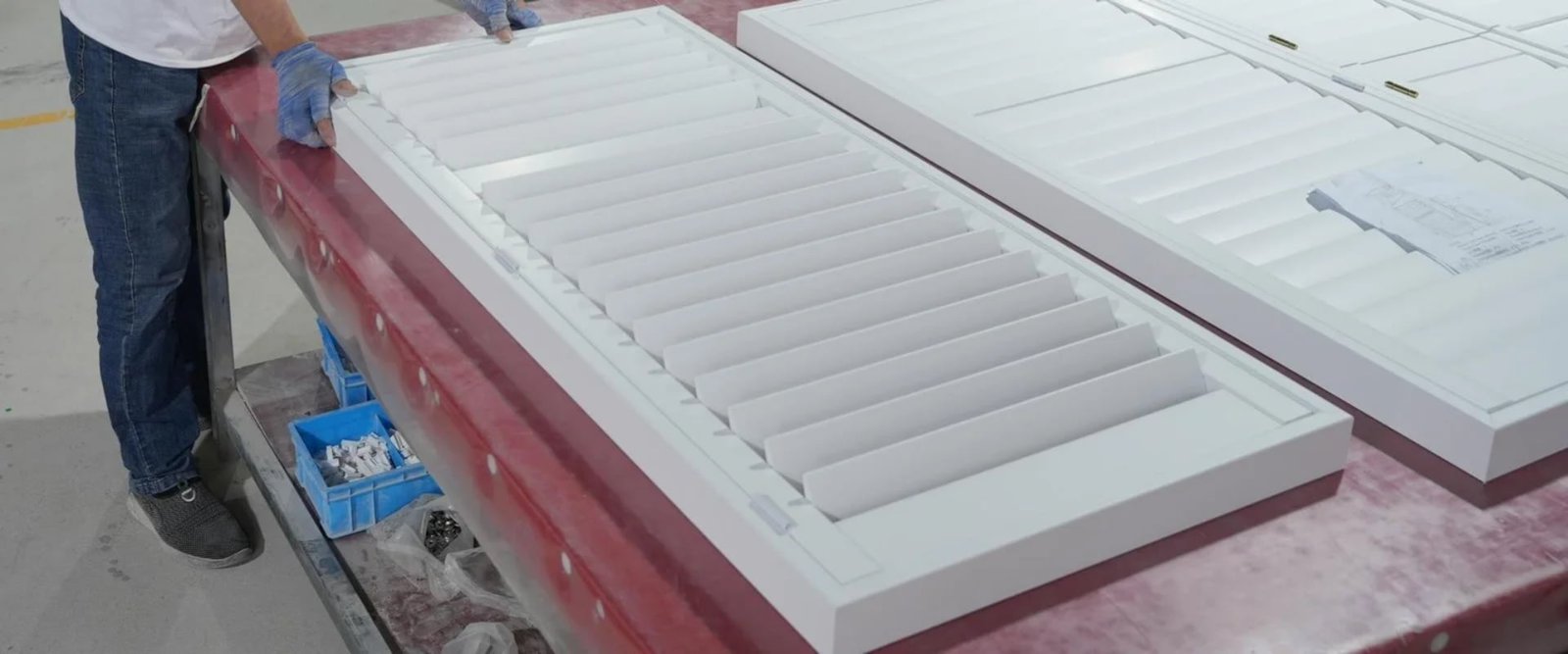

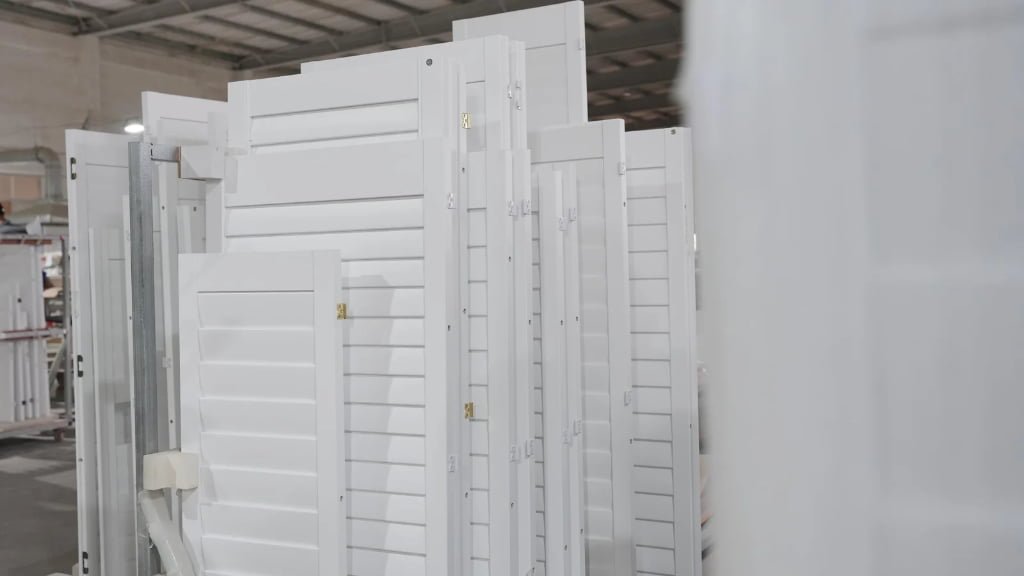
For wholesale buyers across Australia and New Zealand, China is the world's dominant manufacturing hub for plantation shutters — covering PVC, timber, and aluminium product lines. Factory-direct pricing from Chinese manufacturers typically runs 40–60% below locally manufactured equivalents, which explains why the supply chain for ANZ's shutter market runs almost entirely through Chinese factories.
But sourcing plantation shutters from China involves risks that are specific to this product category and specific to the ANZ market. Long shipping lead times, limited ability to inspect production in real time, and climate differences between Chinese factory environments and ANZ end-use conditions create a set of failure modes that don't always show up until 60–90 days after installation.
This guide covers what experienced ANZ wholesale buyers look for when evaluating Chinese plantation shutter suppliers — the product variables, quality signals, certification requirements, and shipping considerations that separate reliable partners from costly mistakes.
What ANZ Buyers Need That Other Markets Don't
Plantation shutters destined for Australia and New Zealand carry a specific set of requirements that differ meaningfully from products supplied to European or North American markets.
Slat width preferences: 89mm and 114mm are the dominant ANZ specifications. Some commercial projects specify 63mm, but this is the exception rather than the standard. A Chinese supplier whose standard range centres on 76mm (common in the US market) is not automatically able to optimise for ANZ without tooling adjustments.
Colour profile: White and off-white account for approximately 75% of ANZ residential shutter orders. However, the specific white tone matters — ANZ buyers have learned that "white" from different factories can be visually distinct under the harsh Australian sunlight that dominates installation environments.
UV exposure intensity: Australian UV radiation levels are approximately 40% more intense than European equivalents. Materials — particularly PVC compounds — that perform well under European conditions will not necessarily hold their specification over a 10-year product lifecycle in Queensland or Western Australia.
Humidity range: ANZ's climate is highly variable. Coastal Queensland can sustain 80%+ relative humidity year-round; Melbourne's winters bring indoor heating environments with humidity dropping to 30–40%. Timber shutters need to be engineered for this range.
Understanding these requirements before beginning supplier evaluation is the starting point. A factory that does not have documented ANZ-specific production standards is unlikely to have addressed these variables proactively.
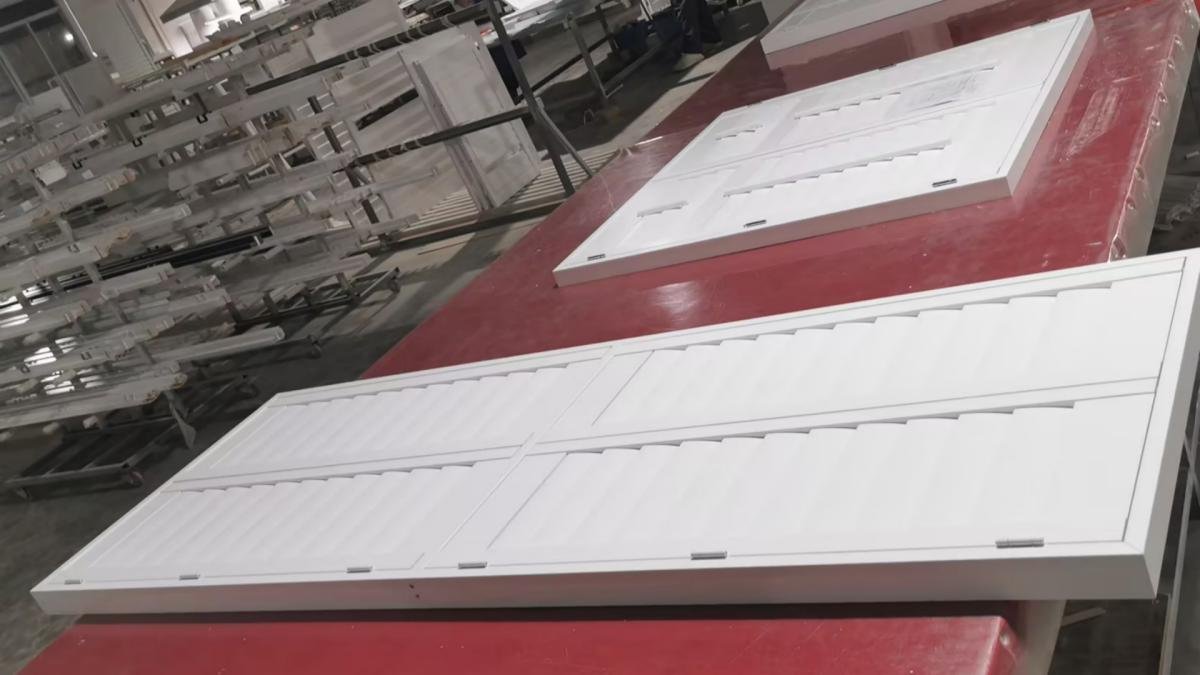
The Three Product Lines and Their Critical Quality Variables
Wood Plantation Shutters
Timber shutters represent the premium end of the ANZ category, commonly manufactured from FSC-certified pine, paulownia, or basswood. For buyers sourcing timber shutters from China, the single most consequential quality variable is moisture content management — specifically, whether the factory's drying process is creating what the timber industry calls "case hardening."
Here is how case hardening becomes your warranty problem:
A manufacturer under delivery pressure shortens the kiln drying cycle — compressing what should be an 18-day process to 9 days. The outer layers of the timber dry first and lock their dimensions, while the core retains moisture at 14% or higher. A QC inspector then measures surface moisture with a handheld pin-type meter (which reads to a depth of 5–8mm only) and records a compliant 11% result. The batch passes.
The shutters are packed, loaded into a container, and shipped through the Pacific. During the 18–22 day transit, temperature variations across tropical and sub-tropical shipping lanes cause the core moisture to migrate outward. The stress release begins before the product reaches your warehouse.
Sixty to ninety days after installation, you start receiving warping complaints from installers. The timber is reacting to the moisture differential — and at that point, there is no corrective action available short of replacement.
The correct inspection protocol is cross-section testing: cutting a sample board and measuring moisture content separately at the surface and core. A surface-to-core differential of more than 2% indicates the drying process was not uniform, regardless of what the handheld reading shows. Batch confirmation should use the ASTM D4442 oven-dry method (105°C for 24 hours, with moisture calculated from weight loss) — this is the standard we apply to every timber batch at our Shenzhen manufacturing facility before release.
When evaluating a timber shutter supplier, the question to ask is: "Do you perform cross-section moisture testing or rely solely on handheld meters for batch release?" The answer tells you most of what you need to know about how seriously they have thought about this problem.
Related reading: How to Verify a Chinese Shutter Manufacturer Before Your First Wholesale Order →
PVC Plantation Shutters
PVC dominates volume in the ANZ market for good reasons: moisture resistance makes it suitable for coastal and high-humidity environments, price points are more accessible than timber, and when correctly formulated, colour stability is excellent.
The formulation variable is the issue. PVC's UV resistance depends directly on the loading of TiO₂ (titanium dioxide) in the compound. Standard European-market PVC compounds carry approximately 4 parts per hundred resin (phr) of TiO₂ — adequate for European UV conditions, but insufficient for Australia.
At 4 phr TiO₂ under ANZ UV exposure levels, yellowing begins within 18–24 months. The correct minimum for ANZ-specification PVC shutters is 8 phr; our internal standard for ANZ orders is ≥10 phr, with batch verification via TGA (thermogravimetric analysis) reports from our compound suppliers.
This is not a visible difference when you receive a sample. A 4 phr and a 10 phr compound look identical when new. The difference only becomes apparent at the 18-month mark — by which time your customers have the product installed and your liability is established.
The question to ask any PVC shutter supplier: "What is the TiO₂ loading in your ANZ-specification compound, and can you provide TGA batch reports?" If they do not have an ANZ-specific compound or cannot provide documentation, you have your answer.
Aluminium Plantation Shutters
Aluminium shutters address the upper end of the durability spectrum, particularly relevant for commercial projects, heritage-style buildings, and coastal properties where long-term performance and corrosion resistance are prioritised.
The material specification to verify is alloy and temper state. The correct specification for structural plantation shutter profiles is 6063-T5 — an extruded alloy with a defined heat treatment process that produces a yield strength of ≥145 MPa and a Vickers hardness of ≥60 HV. The alternative, 6063-T4 (natural aging only), delivers approximately 110 MPa yield strength. The two alloys look identical; the difference is only verifiable by hardness testing against the certificate of compliance (material test report).
For ANZ coastal applications (within 5km of coastline), powder coating dry film thickness (DFT) should be specified at ≥60μm, verified per ISO 2360 using the eddy current method. At 40μm — a common cost-reduction substitution — ASTM B117 salt spray testing shows red rust emergence within approximately 500 hours. At 60μm, the same test produces no red rust past 1,000 hours.
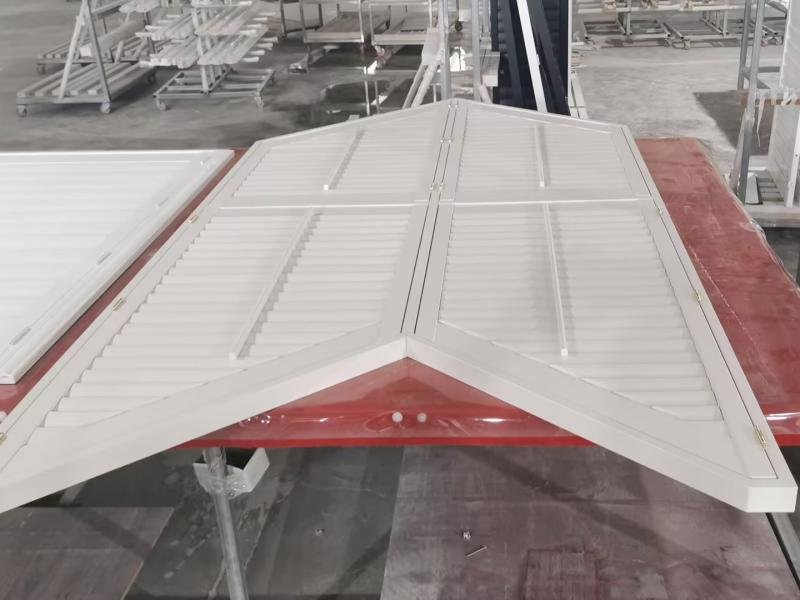
Evaluating a Factory's Real Quality Capability
The Sample-to-Production Gap
The most consistent pattern across international manufacturing sourcing is that samples receive more care per unit than mass production. This is not necessarily deliberate misrepresentation — it is the natural consequence of sample-making workshops operating with more attention and less time pressure than a 500-set production run.
The practical result: the quality you receive in samples will typically not be the quality you receive in bulk. The gap can be managed, but not by assuming it does not exist.
Two measures together close most of the risk. First, request a Pre-Production Sample (PPS) — a unit manufactured using the actual production materials, actual production equipment, and actual production processes, not the sample workshop. Define the PPS explicitly as the contractual quality baseline in your purchase order. The supplier's production run must match the PPS, not the initial samples.
Second, arrange an In-Process Inspection (IPI) at the 50% production completion point. At 50%, there is still time to identify and correct colour deviations, dimensional errors, hardware issues, and surface quality problems before the remaining production is completed. A factory that resists IPI access warrants serious scrutiny as a supplier.
Process-Level Quality Signals
When auditing a factory — directly or through a third party — these are the process checkpoints that distinguish quality-controlled operations from those relying on final inspection alone:
Incoming QC: Does the factory receive and file compound documentation (including TiO₂ loading for PVC) with each raw material delivery? Are timber deliveries cross-section tested, or only surface-measured?
In-process control: Is slat thickness measured at calibrated intervals during extrusion or machining — not just visually checked at shift end?
Colour management: Is there a master colour standard with recorded Lab* values (measured under D65 illumination at 10° observer)? Can the factory produce colour comparison records from previous production batches for the same colour reference?
Hardware testing: Are hinge installation torque values being measured and recorded, or is assembly done by hand feel alone?
The presence of documented, calibrated process controls — not just the existence of a QC department — is the meaningful signal.
Related reading: How to Verify a Chinese Shutter Manufacturer Before Your First Wholesale Order →
Certification Requirements for the ANZ Market
FSC Chain of Custody: For timber shutter products, FSC CoC certification is increasingly required by ANZ retail chains, commercial project specifications, and green building projects. Verify active status directly at info.fsc.org using the supplier's certificate number. Confirm the certificate covers the correct product category and has not expired — annual surveillance audits are required, and certificates can lapse while remaining visible on a supplier's marketing materials.
ISPM 15: All timber packaging materials — pallets, wooden crates, dunnage — used in exports to Australia and New Zealand must carry the ISPM 15 heat treatment mark (HT stamp), confirming core timber temperature reached 56°C for a minimum of 30 continuous minutes. Non-compliant shipments face detention, treatment at importer expense, or return at the Australian or New Zealand biosecurity border. Verify the stamp on packaging documentation before container loading, not after arrival.
Consumer safety compliance: Under Australia's Consumer Protection Notice 2014 No. 7, window coverings with operational cords must meet child safety requirements. Standard plantation shutters operated by tilt rods are generally outside this scope; cord-operated or motorised variants require compliance documentation.
Shipping and Logistics Considerations
Standard ocean freight transit times from major Chinese manufacturing centres to ANZ ports:
| Origin | Destination | Transit |
|---|---|---|
| Shenzhen / Guangzhou | Sydney | 18–22 days |
| Shenzhen / Guangzhou | Melbourne | 20–24 days |
| Shanghai | Sydney | 14–18 days |
| Shenzhen | Auckland | 22–26 days |
For mixed container loading — consolidating multiple SKUs and product types within a single 20GP or 40HQ — add 25–35 days production lead time (for standard specifications) plus transit, plus 2–4 days for customs clearance and local cartage. Total origin-to-warehouse timeline: typically 50–65 days from order confirmation.
Container rain is an underestimated risk on Pacific routes. Temperature differentials between tropical and Southern Ocean shipping lanes cause moisture in container air to condense on the coldest surface — typically the container walls — and drip onto cargo. This is distinct from external weather exposure and can occur even in sealed, dry containers.
Effective mitigation: silica gel desiccant at approximately 1kg per 2m³ of container volume, placed within cargo layers (not just at container ends), combined with full PE film wrapping on all product pallets. Confirm with your supplier that their export packaging specification includes both.
Related reading: Shipping Plantation Shutters from China to Australia and New Zealand →
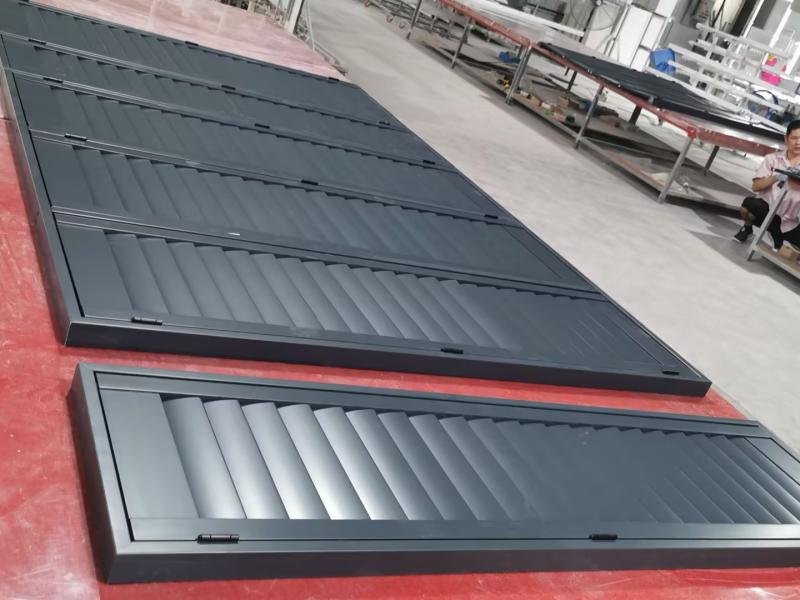
Bright Shutters: ANZ-Focused Manufacturing
Bright Shutters is a Shenzhen-based manufacturer established in 2010, supplying plantation shutters and window coverings to ANZ wholesale accounts through a B2B-only channel. Our 50,000m² production facility employs 400+ staff across 12 dedicated production lines, with annual capacity exceeding 480,000 sets across all product categories.
Our ANZ production standards include:
- FSC-certified pine and paulownia for all timber shutter products
- PVC compound TiO₂ loading ≥10 phr for all ANZ specifications, with TGA batch verification on file
- Cross-section moisture testing (ASTM D4442) for all incoming timber batches
- Powder coating ≥60μm DFT for all aluminium products, ISO 2360 verified
- ISPM 15-compliant timber packaging with 72-hour post-treatment drying
We operate a regional exclusivity model — one wholesale partner per defined territory — with 3–7 day sample turnaround on standard specifications and 25–35 day production lead times from order confirmation.
Contact Bright Shutters to discuss wholesale supply →
Key Takeaways
- For timber shutters: verify cross-section moisture differential ≤2% — surface-only readings miss case hardening
- For PVC shutters: confirm TiO₂ loading ≥8 phr (≥10 phr preferred) for ANZ UV conditions — request TGA documentation
- For aluminium shutters: specify 6063-T5 alloy and ≥60μm powder coating DFT for coastal applications
- Quality management: require a Pre-Production Sample defined as contractual baseline, plus IPI at 50% production completion
- Certifications: verify FSC CoC active status at info.fsc.org; confirm ISPM 15 stamps on all timber packaging before shipment
- Logistics: budget 50–65 days origin-to-warehouse; specify desiccant and PE film wrapping in export packaging requirements
Frequently Asked Questions
What is the minimum order quantity when sourcing plantation shutters from China?
Most Chinese manufacturers supplying ANZ wholesale accounts require a minimum of one 20-foot general purpose container per order. Mixed container loading — consolidating multiple product types and specifications — is standard practice and allows buyers to spread orders across product lines without meeting individual SKU minimums.
How do I verify a Chinese plantation shutter manufacturer's FSC certification?
Verify directly at info.fsc.org by entering the supplier's certificate number. Confirm the status is "Active," that the certificate holder matches the factory you are dealing with, and that the product scope covers the specific products you are purchasing. FSC certificates require annual surveillance audits and can lapse without the factory updating their marketing materials.
What is the realistic lead time from order to delivery in Australia?
For standard specifications: 25–35 days production, plus 18–22 days ocean freight to Sydney or Melbourne, plus 2–4 days customs clearance. Total realistic timeline is 50–65 days from order confirmation to warehouse.
How do I protect against quality differences between samples and mass production?
Two measures together: (1) specify a Pre-Production Sample (PPS) made using production-line materials and processes, defined contractually as the quality baseline; (2) arrange a third-party In-Process Inspection at 50% production completion. Both steps together give you visibility and correction opportunity before the full batch is completed.
Why does TiO₂ loading matter specifically for Australia?
Australian UV radiation is approximately 40% more intense than European levels. PVC formulated for European applications (typically 4 phr TiO₂) will show yellowing under ANZ conditions within 18–24 months. ANZ-specific PVC compounds should carry ≥8–10 phr TiO₂ to maintain colour stability over a 10-year product lifecycle.