ANZ wholesale buyers sourcing plantation shutters from China tend to ask the same questions — some at the beginning of a supplier relationship, others after their first container arrives, and a few only after something has gone wrong.
We have answered all fifteen of them here, drawn from the questions our ANZ wholesale accounts consistently raise during the onboarding and first-order process.
1. What is the realistic MOQ for sourcing plantation shutters direct from a Chinese factory?
One 20-foot general purpose container (20GP) is the standard minimum for factory-direct wholesale supply. This translates to approximately 280–350 sets of mixed plantation shutters depending on your specification mix (slat width, height, product type). Mixed container loading — consolidating PVC, timber, and aluminium products within a single container — is standard practice and does not require meeting individual SKU minimums.
2. How do I confirm the factory is genuinely FSC certified, not just claiming it?
Verify independently at info.fsc.org by entering the supplier's certificate number. Confirm three things: the certificate status is Active (not Expired or Suspended); the certificate holder name exactly matches the factory you are dealing with; and the product scope covers plantation shutters or the relevant timber category. FSC certificates require annual surveillance audits and can lapse without the factory removing the claim from their marketing materials.
3. What does the full timeline look like from order to delivery in Australia?
For standard plantation shutter specifications: 25–35 days production lead time, plus 18–22 days ocean freight to Sydney or Melbourne, plus 2–4 days customs clearance and local cartage. Total realistic timeline: 50–65 days from order confirmation to warehouse arrival. Plan your inventory cycles around this timeline — a replenishment order placed when your warehouse stock hits 60 days of supply maintains continuity with minimal safety stock.
4. Why does colour consistency matter more for plantation shutters than for other products?
Plantation shutters are most commonly ordered in white or off-white — and those same white and off-white colours are extremely sensitive to batch variation. A difference of ΔE 2.0 (CIE Lab colour formula) between two batches of nominally identical white shutters is perceptible to the eye under daylight conditions. For a distributor supplying replacement panels, a colour mismatch between your original supply batch and a supplementary delivery is visible to the installer and the homeowner.
The manufacturing control that prevents this: Lab* colour values measured under standardised D65 illumination (6500K, Ra >90) recorded for every production batch and compared against a master standard sample. Ask your supplier whether they maintain batch-level colour records — and how they would handle a colour mismatch claim on a replacement order placed 12 months after the original.
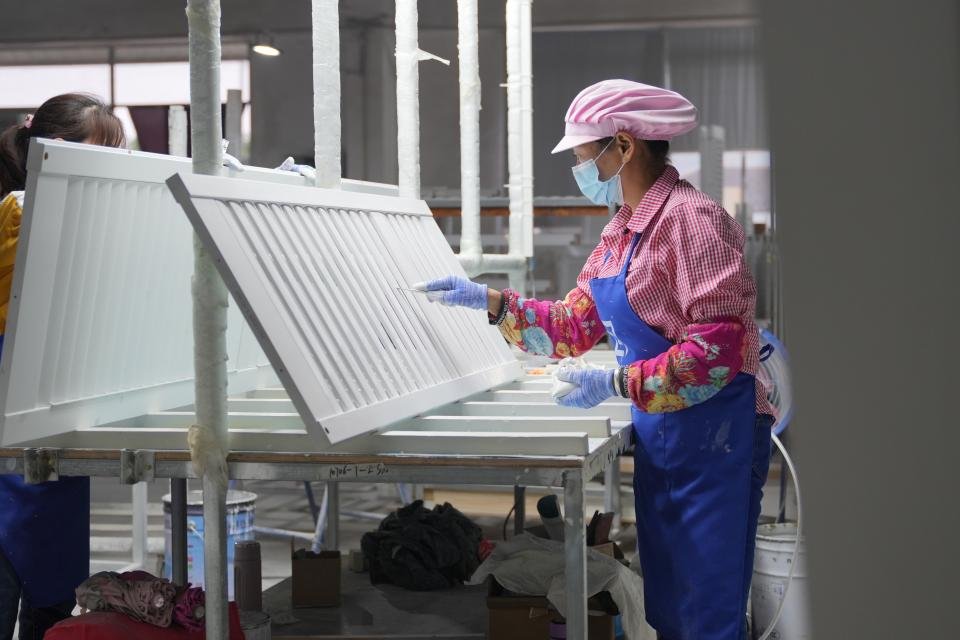
5. What should I look for when evaluating a PVC shutter sample for ANZ use?
Beyond the obvious — surface finish, colour, mechanism function — the most important variable in a PVC shutter sample for ANZ use is invisible: TiO₂ loading in the compound. A sample with 4 phr TiO₂ looks identical to a sample with 10 phr TiO₂. The difference shows up at 18–24 months under Australian UV exposure levels, when the under-specified product starts yellowing.
Request the compound specification document confirming TiO₂ loading in phr, and the TGA (thermogravimetric analysis) batch report as verification. If the supplier does not have this documentation, treat the sample evaluation as incomplete.
6. How do I know if a timber shutter supplier has proper moisture content controls?
Ask specifically: "Do you perform cross-section moisture testing on incoming timber batches, or do you rely on handheld pin-type meters?"
A handheld pin-type meter reads surface moisture to 5–8mm depth — it does not reveal core moisture content. A supplier doing only surface measurements can pass batches where the core is still at 14% moisture while the surface reads 11%. The result is warping that appears 60–90 days after installation.
Cross-section testing (cutting a sample board and measuring surface and core separately) with a maximum differential of 2%, confirmed using the ASTM D4442 oven-dry method for batch release, is the correct protocol. Ask to see their IQC timber testing procedure in writing.
7. What is a Pre-Production Sample and why should I require one?
A Pre-Production Sample (PPS) is a unit manufactured using the same materials, equipment, and processes as the full production run — not the sample workshop. The key distinction is that a PPS is intended to represent what mass production will actually deliver, rather than a hand-finished approximation.
Specify in your purchase order that the PPS is the contractual quality baseline. The production run must match the PPS on all specified parameters. This single contractual term is the most cost-effective quality protection available for a first-order buyer.
8. What is an In-Process Inspection and when should I arrange one?
An In-Process Inspection (IPI) is a third-party quality inspection conducted at approximately 50% of production completion. At 50%, there is still half the production run remaining — which means any identified issues (colour deviation, dimensional non-conformances, hardware problems) can be corrected before the entire batch is completed.
IPI is distinct from a final inspection, which occurs after 100% production completion and can identify problems but cannot prevent them. For a first order with any new Chinese manufacturer, an IPI is the lowest-cost quality risk insurance available — typically AUD 500–1,200 from established inspection agencies, against a container value of $35,000–$80,000.
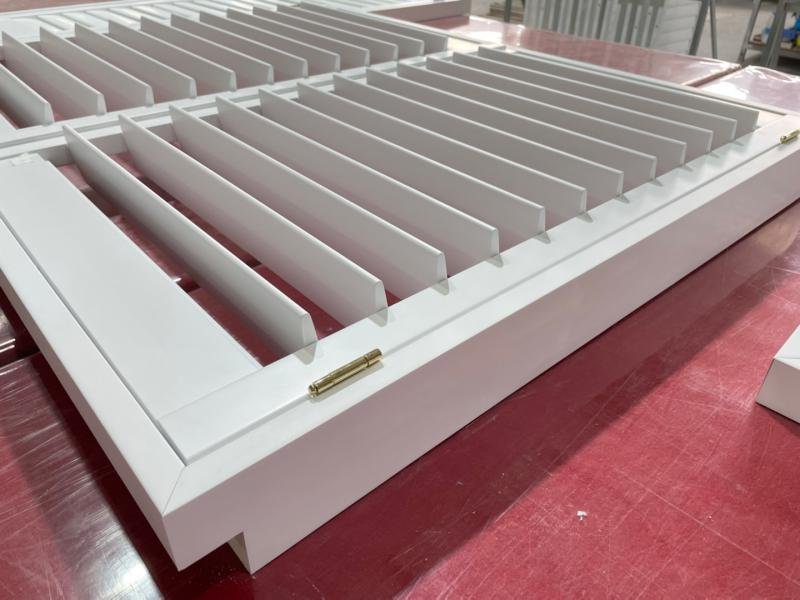
9. Which Chinese ports does plantation shutter freight typically use?
Shenzhen (Yantian and Shekou terminals) and Guangzhou (Nansha terminal) are the primary export ports for Guangdong-based shutter manufacturers. Shanghai serves manufacturers in the Yangtze Delta region. Transit times to ANZ ports are 1–3 days shorter from Shanghai to Sydney compared to Shenzhen, but most plantation shutter manufacturers are concentrated in Guangdong province, making Shenzhen the more common loading port in practice.
10. What is container rain and how does it affect my shutter shipment?
Container rain is condensation inside the container, caused by temperature differentials between the warm air trapped inside at loading and the cooler ambient temperature encountered during the Pacific crossing. Moisture condenses on the steel container walls and drips onto cargo — without any external water exposure occurring.
For timber shutters: container rain can initiate surface moisture absorption, creating the same differential that causes post-installation warping. For metal hardware: surface oxidation during transit.
Mitigation: silica gel desiccant at 1kg per 2m³ of container volume (distributed throughout cargo layers, not consolidated at the door end), full PE film wrapping on all pallets, and moisture-resistant carton specification. Confirm these are in your supplier's standard Pacific route packaging specification.
11. Do I need separate marine cargo insurance?
Yes. Ocean freight quotes do not include cargo insurance. For plantation shutter shipments on Pacific routes, arrange All-Risk marine cargo coverage under Institute Cargo Clauses (A). Premium is typically 0.3–0.8% of insured CIF value for this route and product type. Document your supplier's packing specification — insurers may request it for container rain or moisture claims.
12. What compliance requirements apply to plantation shutters entering Australia?
Key compliance requirements for plantation shutters entering Australia:
- ISPM 15 heat treatment on all timber packaging (pallets, crates, dunnage) — biosecurity requirement
- FSC transaction certificate if FSC claim is being made at point of sale
- REACH/RoHS compliance declaration for products containing plastics, coatings, and hardware
- Australian Consumer Law child safety requirements for any cord-operated variants
- Standard import documentation: commercial invoice, packing list, bill of lading, certificate of origin
13. How do regional exclusivity arrangements work with Chinese manufacturers?
Regional exclusivity means the manufacturer commits to supplying only one wholesale buyer within a defined geographic territory (e.g., a state, a metropolitan area, or a defined postcode range). This protects your market development investment — you cannot build a brand around a product if your competitor down the road is selling the same product at a lower margin.
Exclusivity arrangements are typically defined by territory scope, minimum annual purchase commitment, and contract duration. The commercial logic for the manufacturer is consistent, committed volume; the commercial logic for the distributor is market protection and predictable supply terms.
Bright Shutters operates a regional exclusivity model for all ANZ wholesale accounts. Discuss territory availability when you initiate contact.
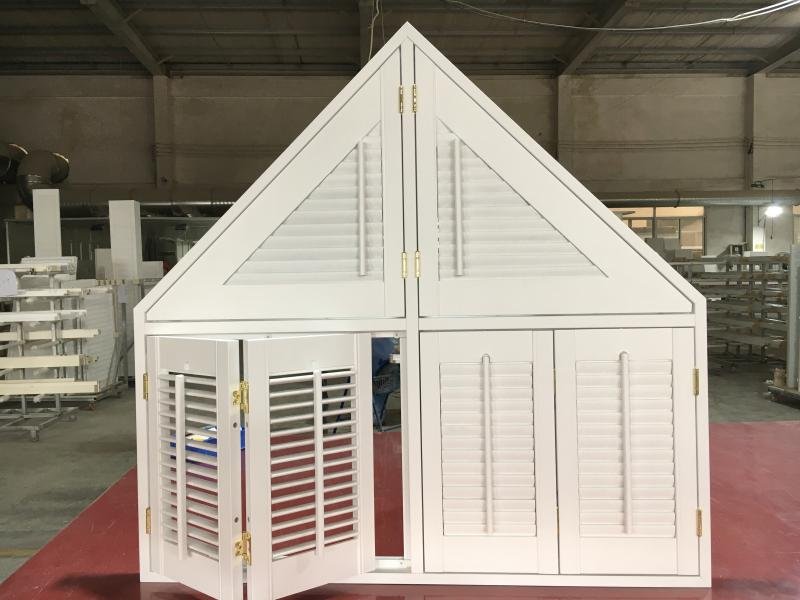
14. What happens if my first container has quality issues?
The outcome depends entirely on what protections you built into your purchase order before production began.
If you have a contractually defined Pre-Production Sample as the quality baseline, and an In-Process Inspection report documenting deviations from specification, you have a documented basis for a replacement or credit claim.
If you accepted production without these controls, your position depends on the supplier's goodwill — which is a weaker negotiating position than documented contractual entitlement.
For timber warping or PVC yellowing claims: the discovery often occurs 60–120 days after installation, which is well outside most suppliers' standard replacement windows. Contractually specifying a warranty period tied to end-customer installation date (not factory departure date) is the correct protection.
15. Why should I work with Bright Shutters specifically over other Chinese shutter manufacturers?
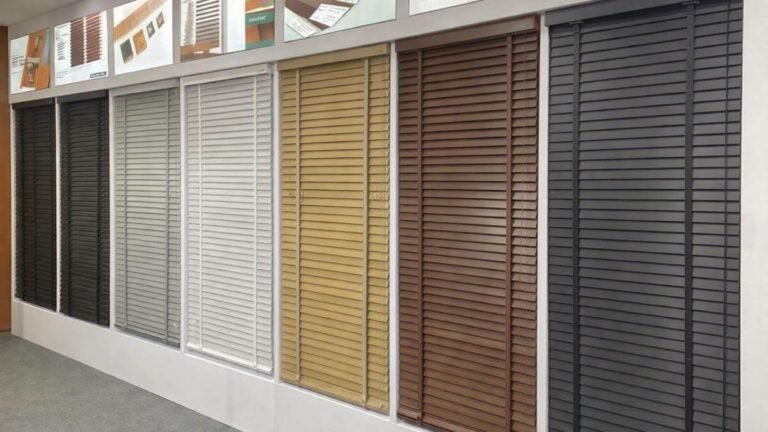
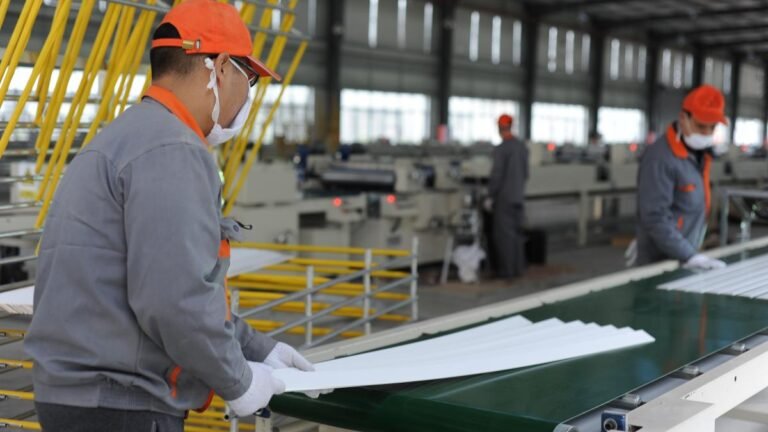
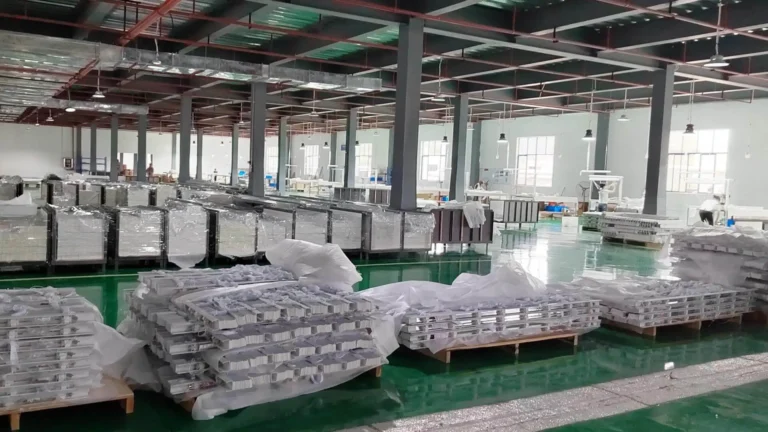
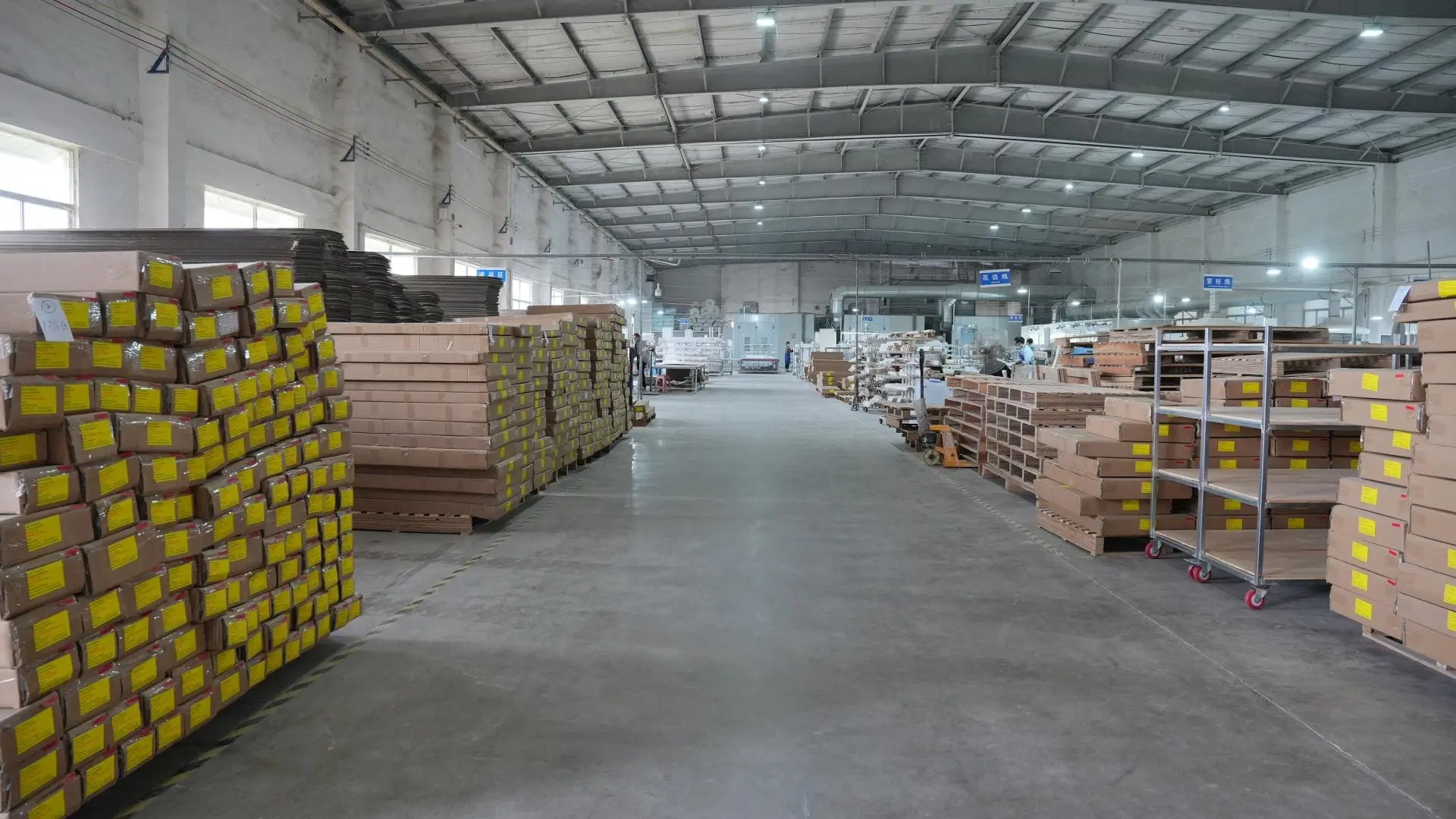
We won't list our advantages without acknowledging what we are. We are a Shenzhen manufacturer with 50,000m² of production space, 400+ staff, and annual capacity exceeding 480,000 sets. We have been supplying ANZ wholesale accounts since 2010.
What we do that many suppliers in this category do not: we maintain FSC CoC certification for all timber products, we specify and document TiO₂ loading ≥10 phr for all ANZ PVC compounds with TGA verification, we perform cross-section timber moisture testing per ASTM D4442, and we welcome third-party IPI access during production.
We operate a regional exclusivity model, which means the ANZ buyer we work with in your territory is the only one we work with.
If you want to verify any of those claims — certificate numbers, testing documentation, production records — we will provide them. If a prospective supplier is not prepared to do the same, you have information relevant to your sourcing decision.